Nº 01·Wine region·D.O.Ca. Rioja
Rioja
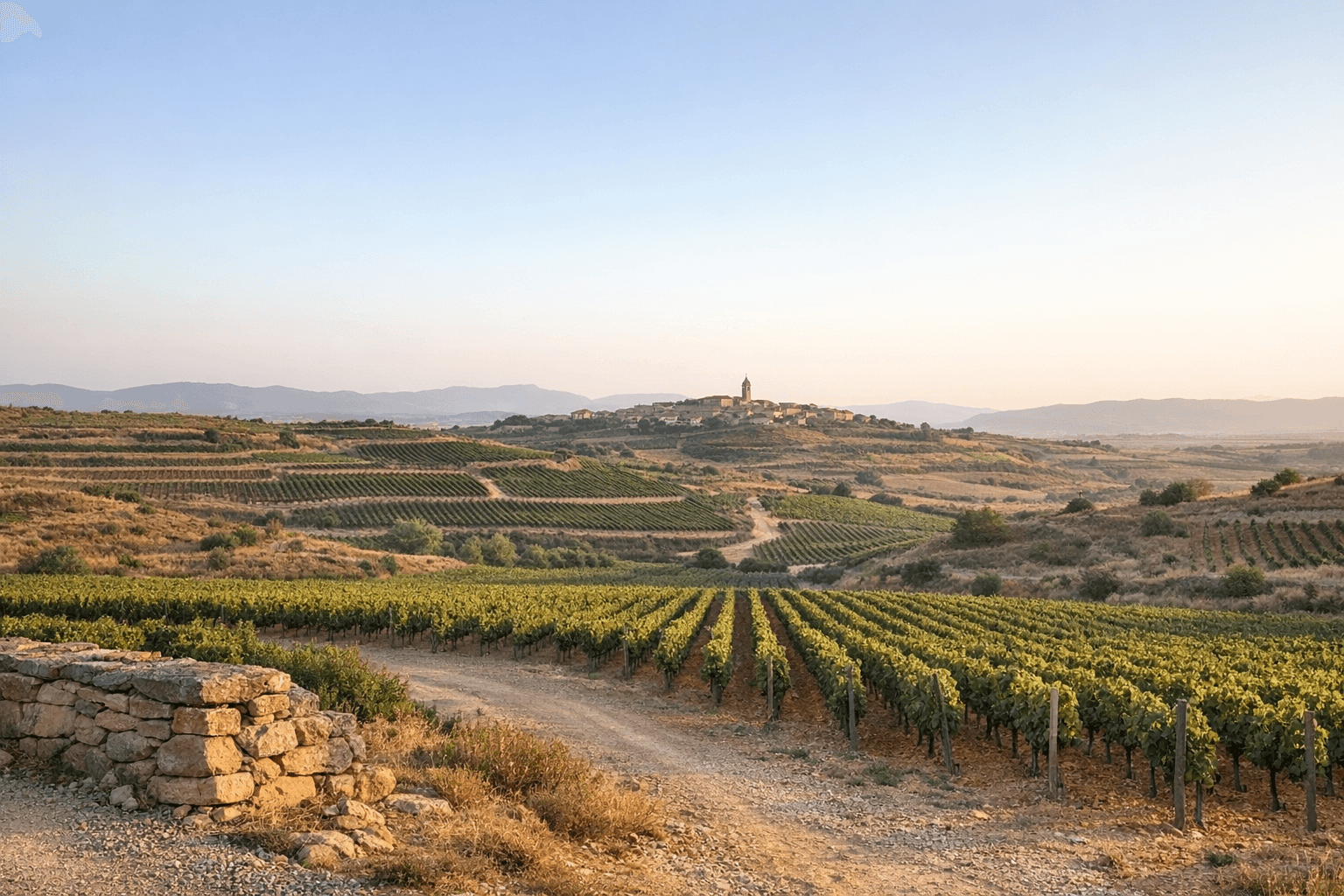
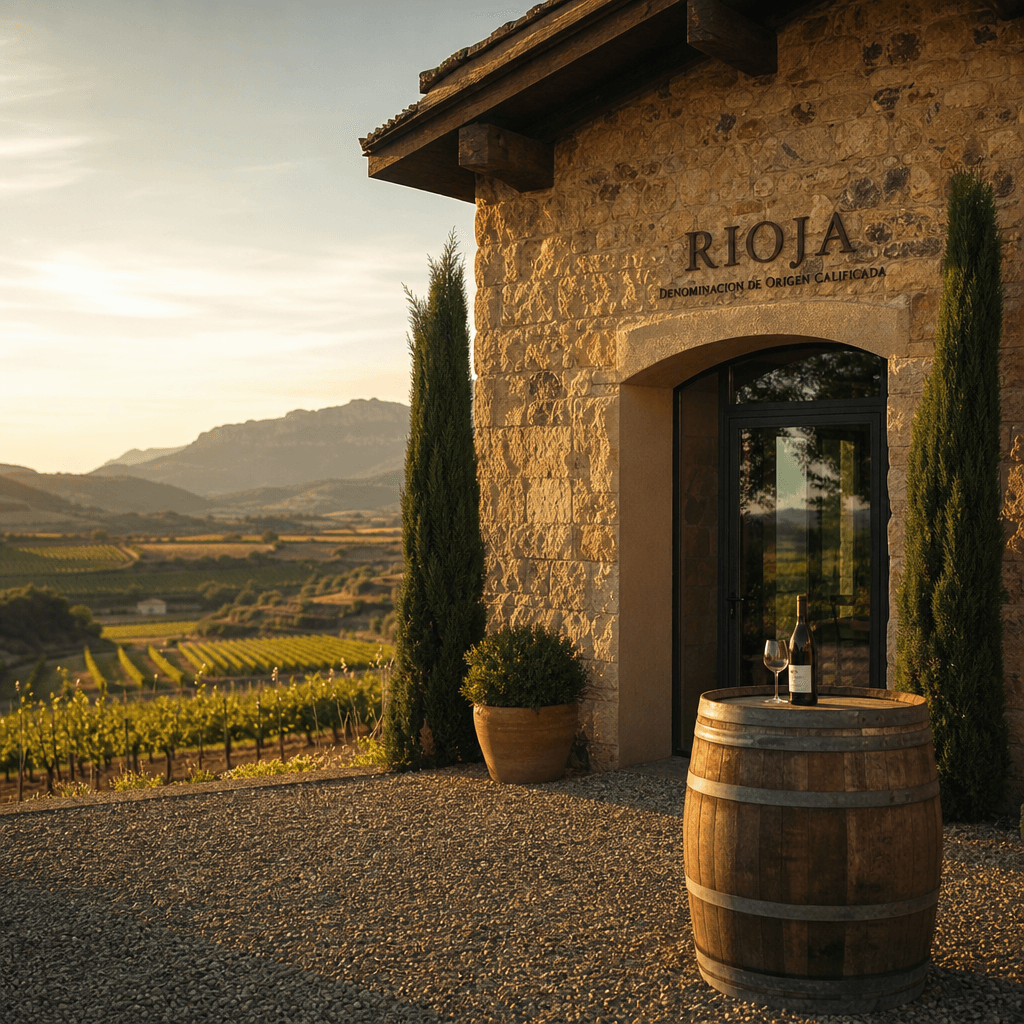
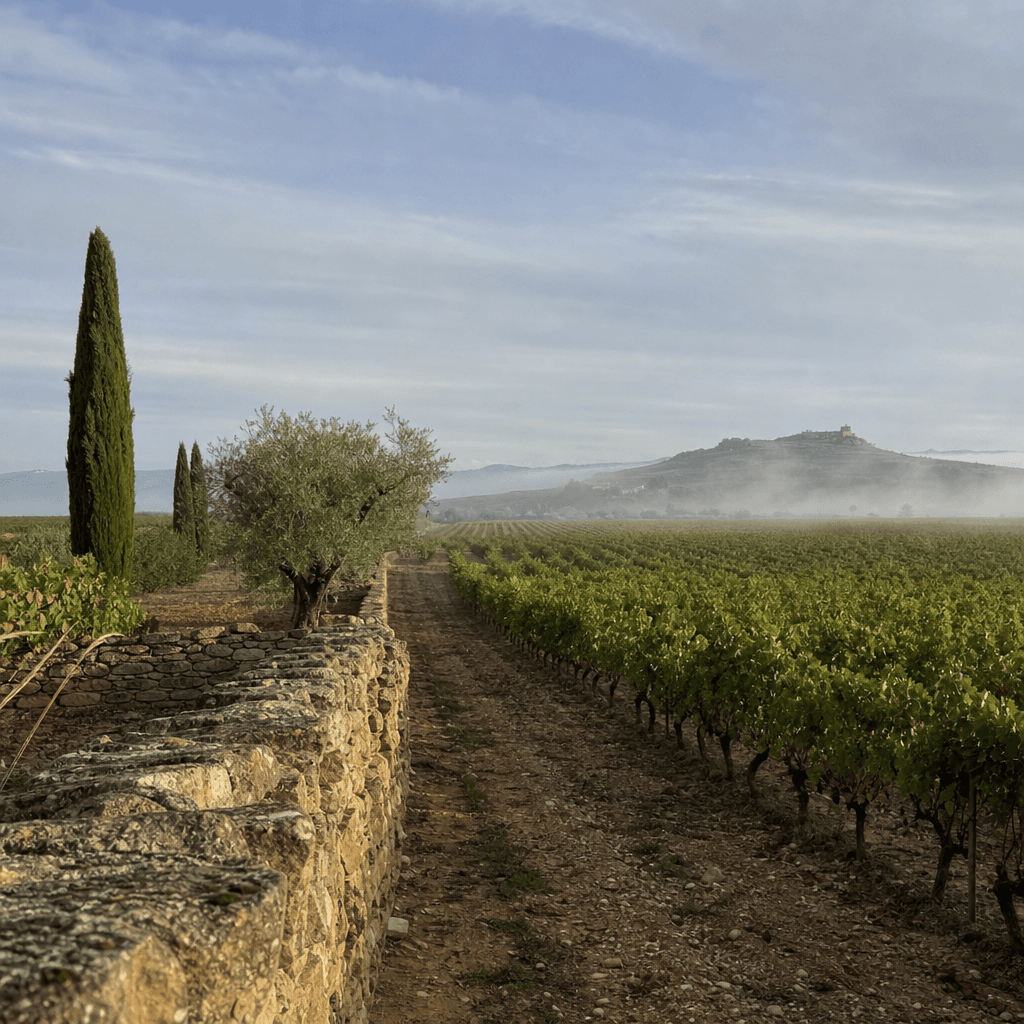
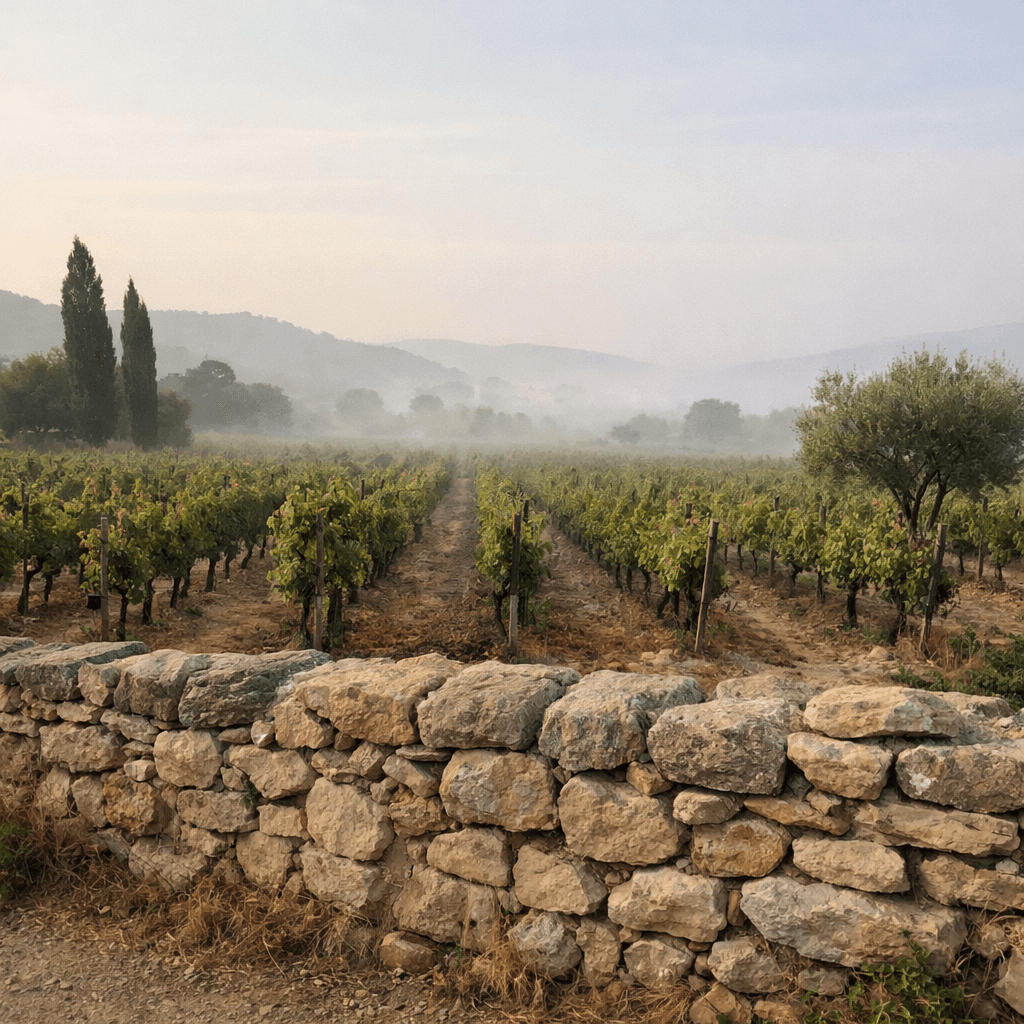
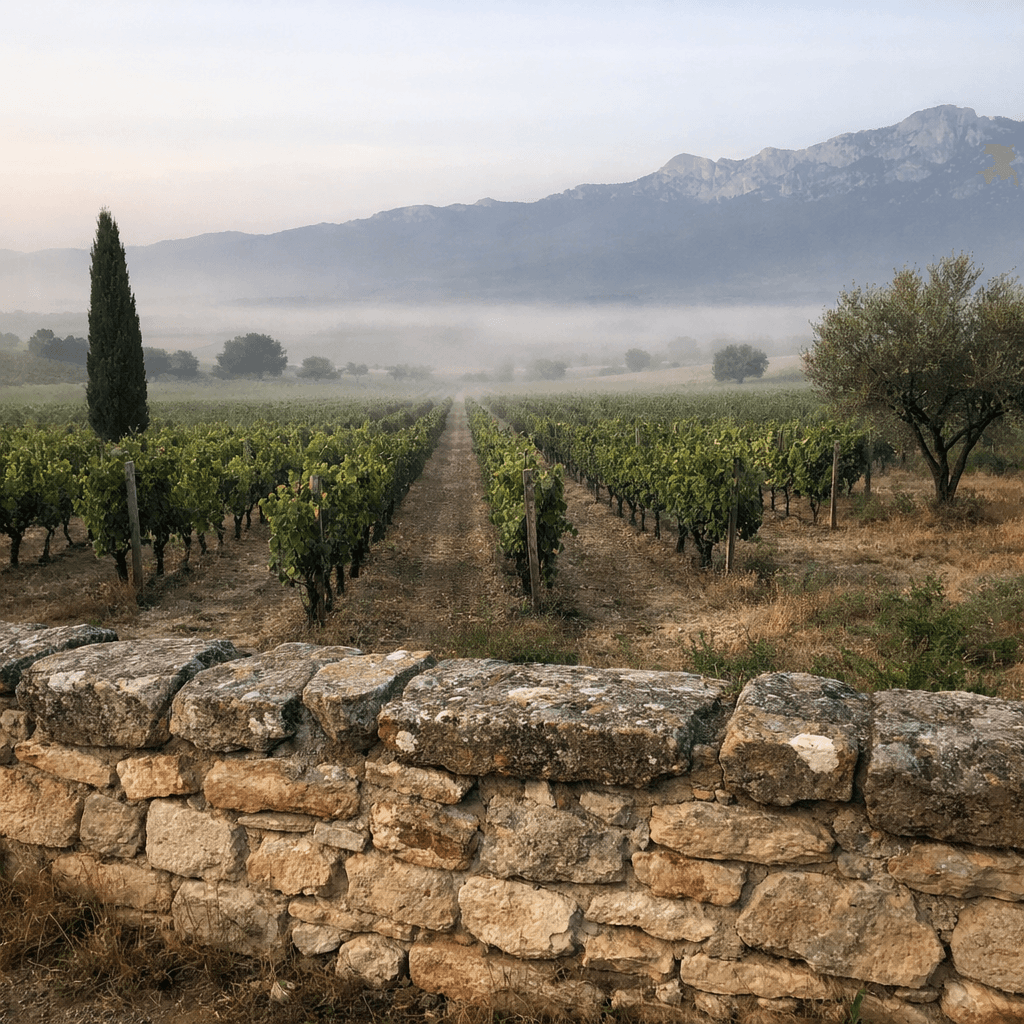
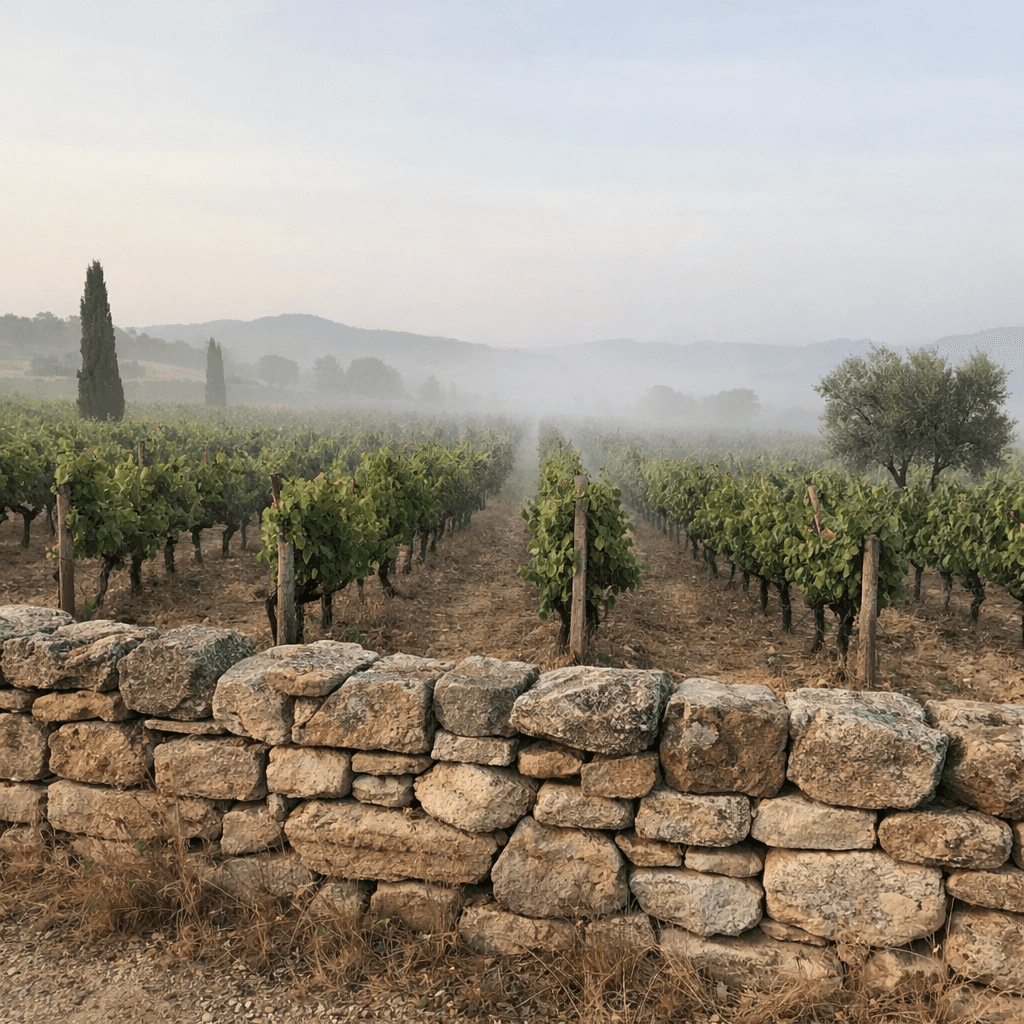
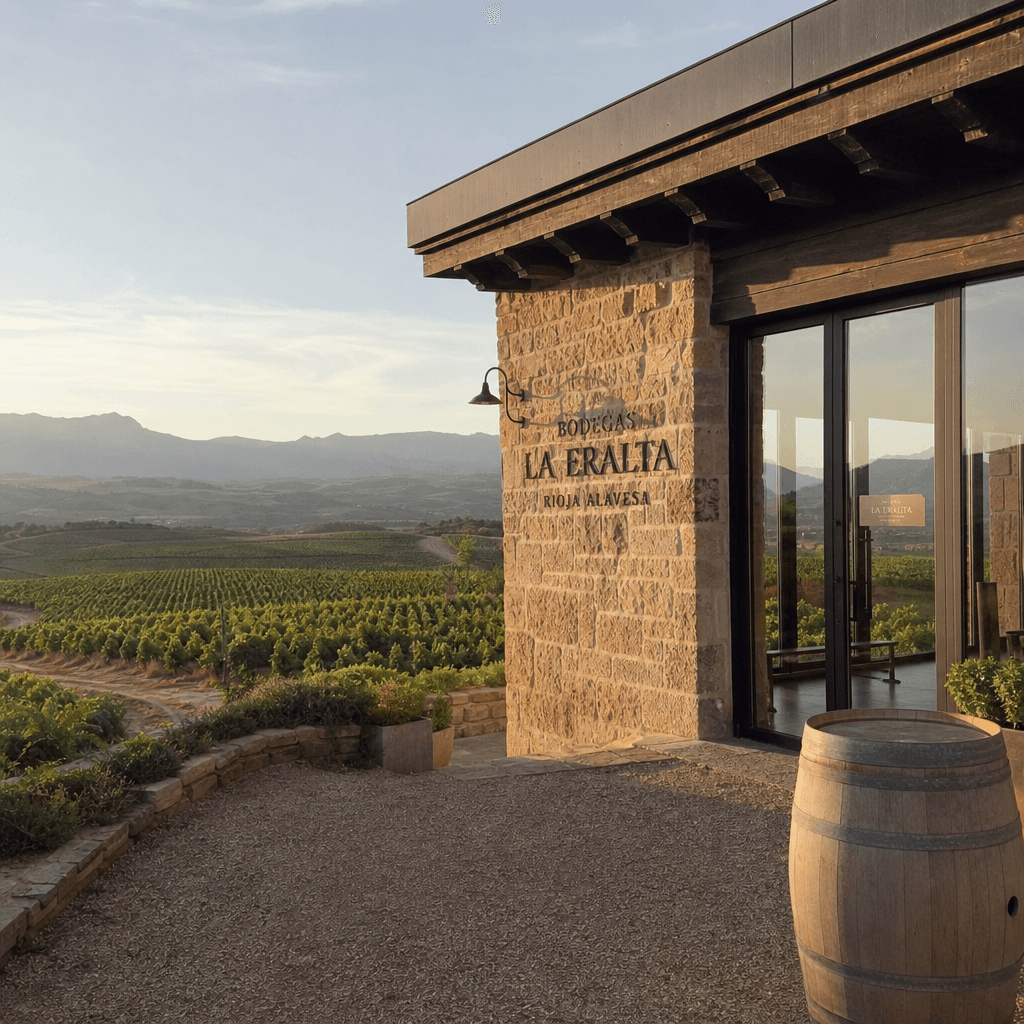
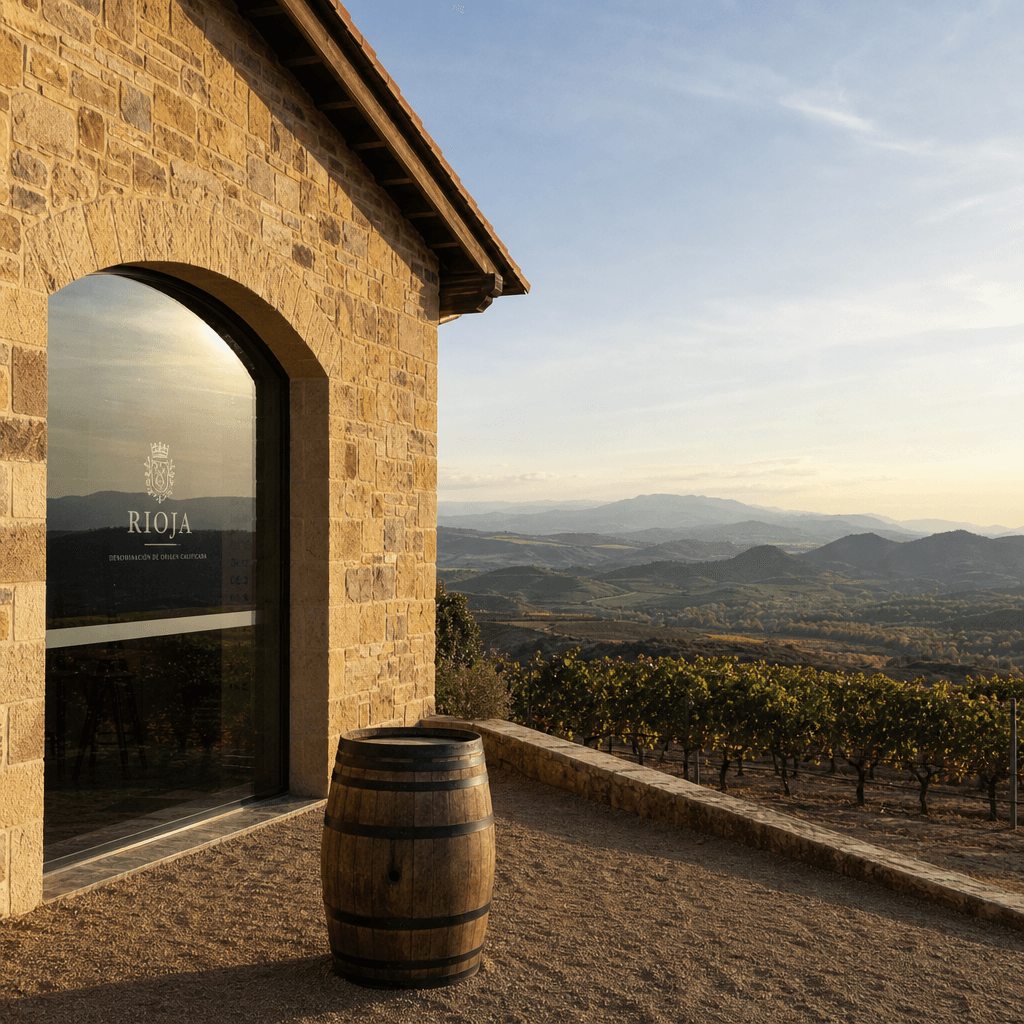
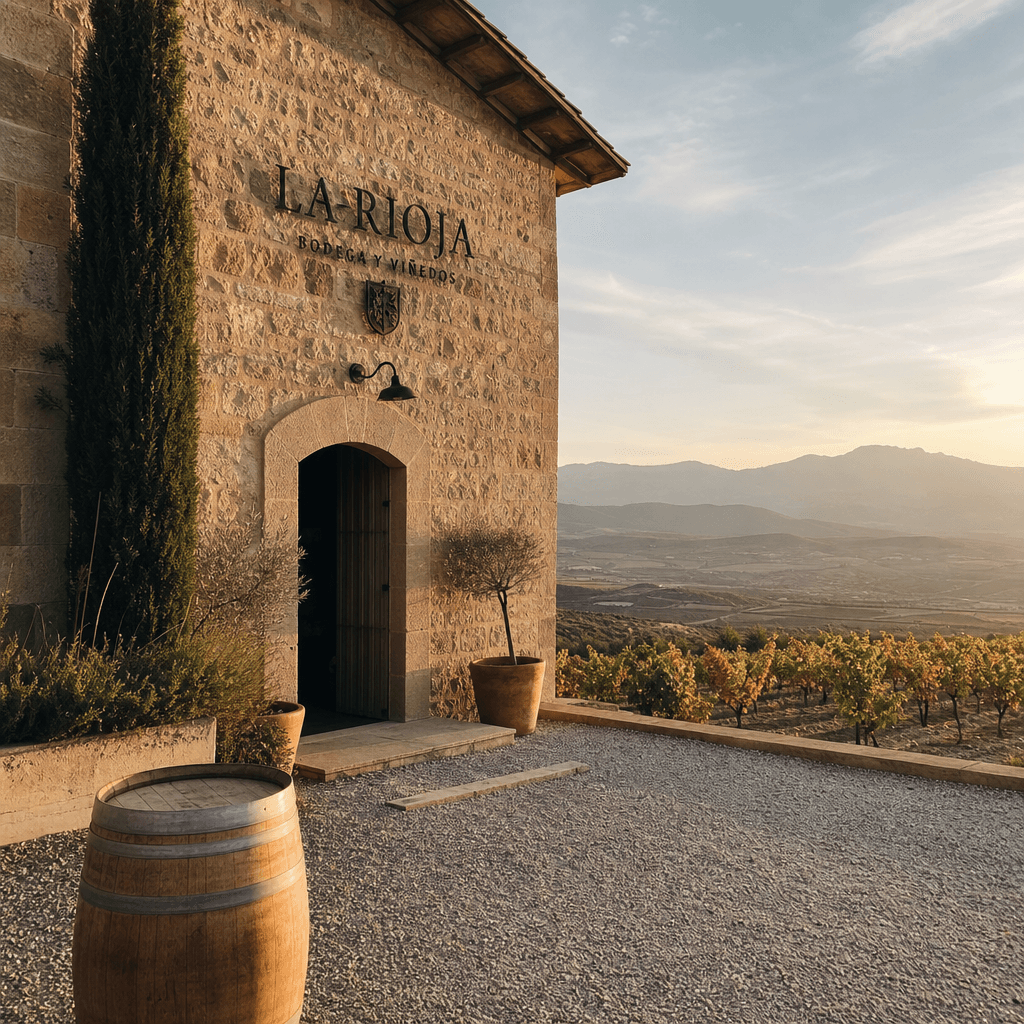
I've been coming to Rioja since before I could tell a Crianza from a Reserva, and the place still surprises me. Rioja divides into three sub-zones — Alta, Alavesa, Oriental — and each makes wine its own way, even if they all end up under the same D.O.Ca. label (the first in Spain, by the way, granted in 1991). Alta is Haro country, big historic houses, more structured wines. Alavesa, north of the Ebro, high-altitude vineyards, fresher wines, stone villages. Oriental — formerly called Rioja Baja, until someone decided to rebrand — is warmer, Garnacha country, having a moment.
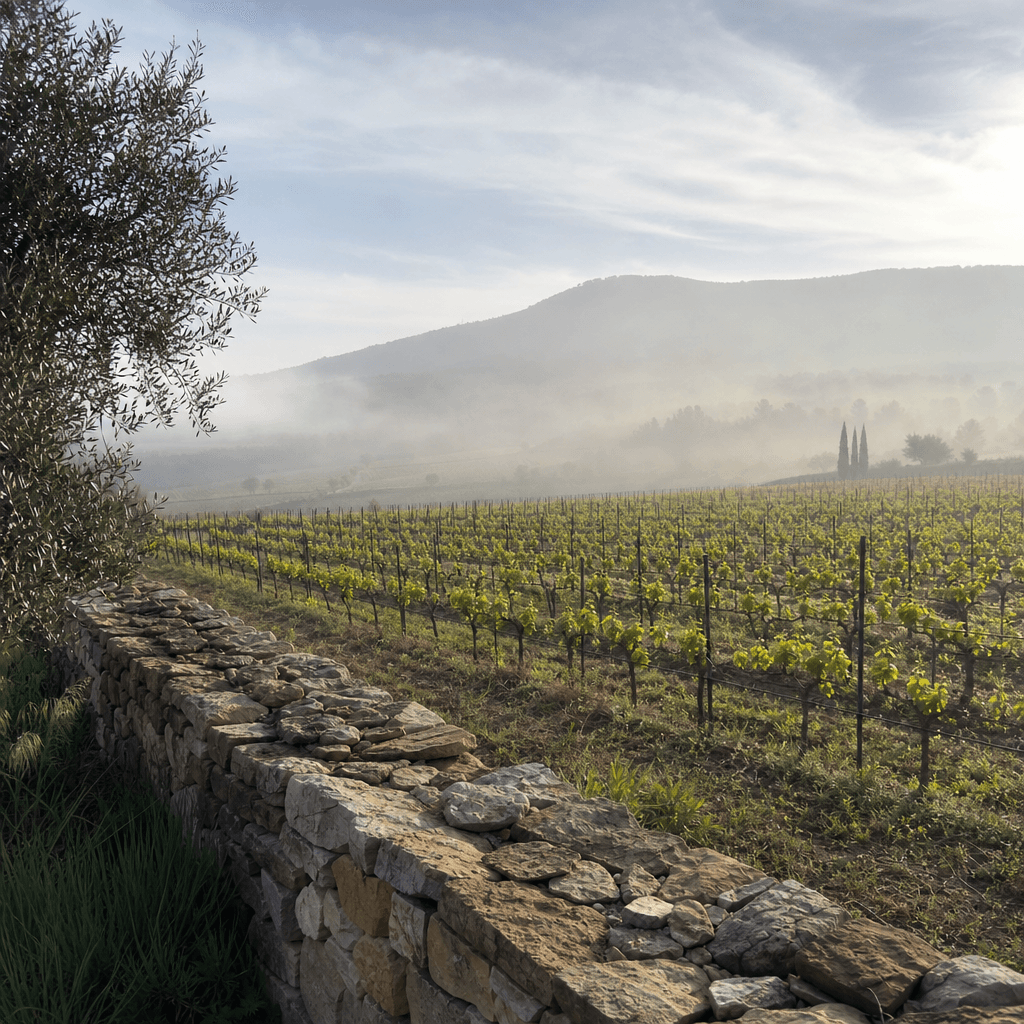
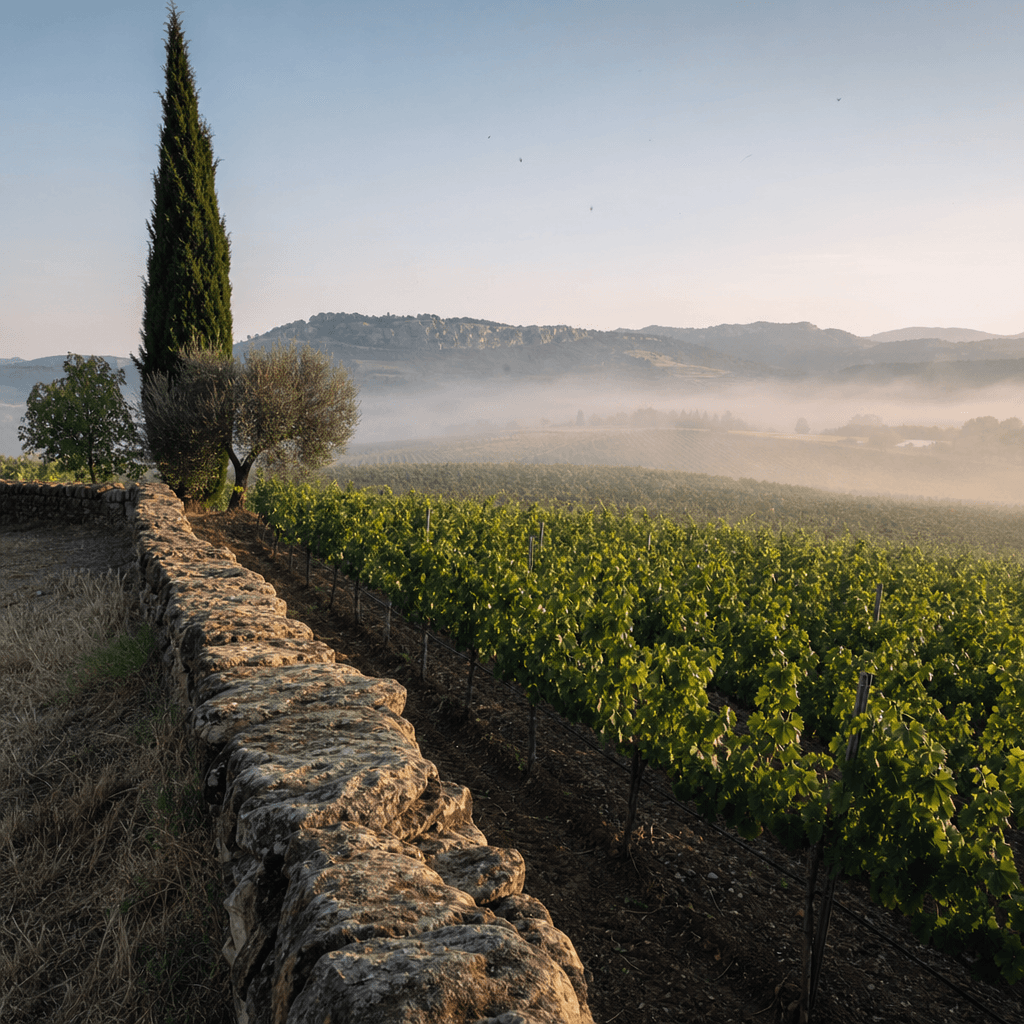
65,000 hectares of vine between the Sierra de Cantabria to the north and the Cameros to the south, spread across three provinces. Tempranillo dominates (87% of plantings are red). The traditional Crianza / Reserva / Gran Reserva oak-aging model still defines the region, though more and more wineries are doing parallel single-vineyard bottlings. American oak ruled for a century; today there's roughly as much French as American.
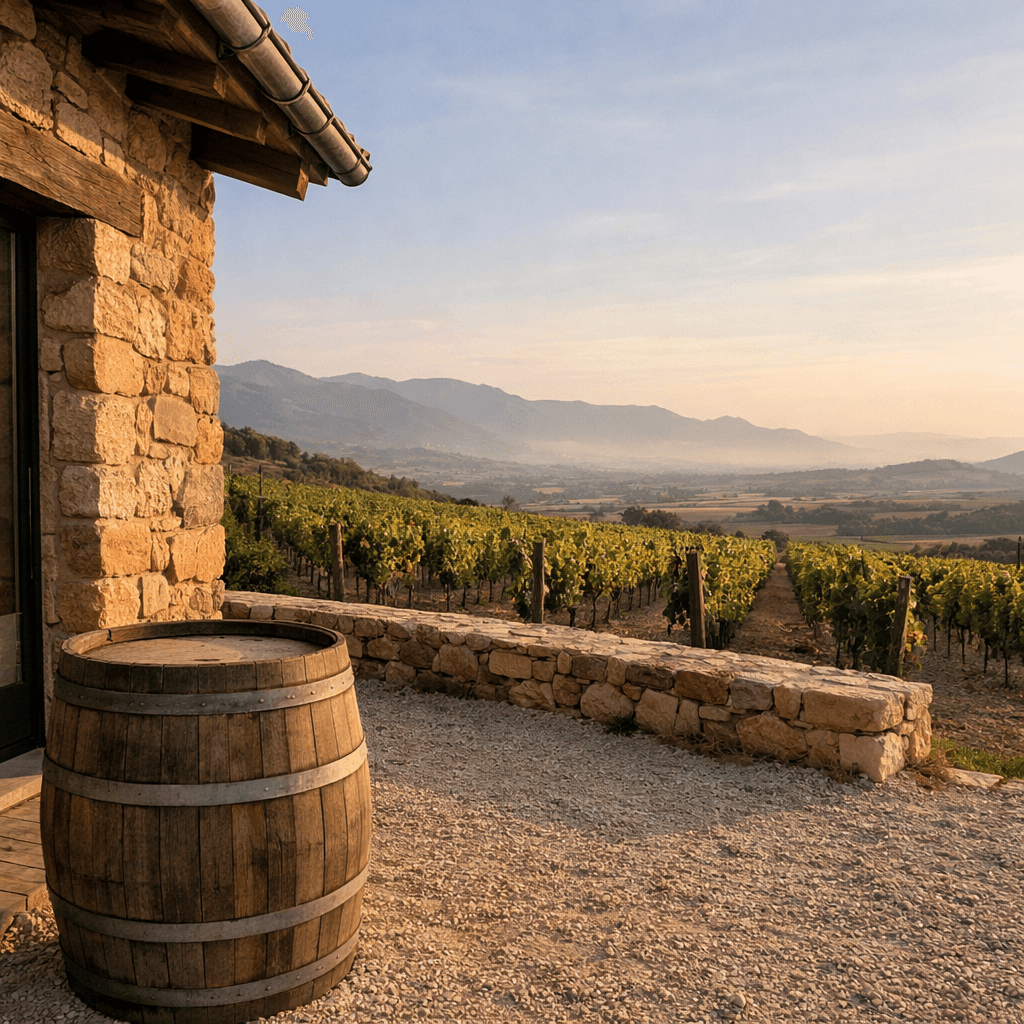
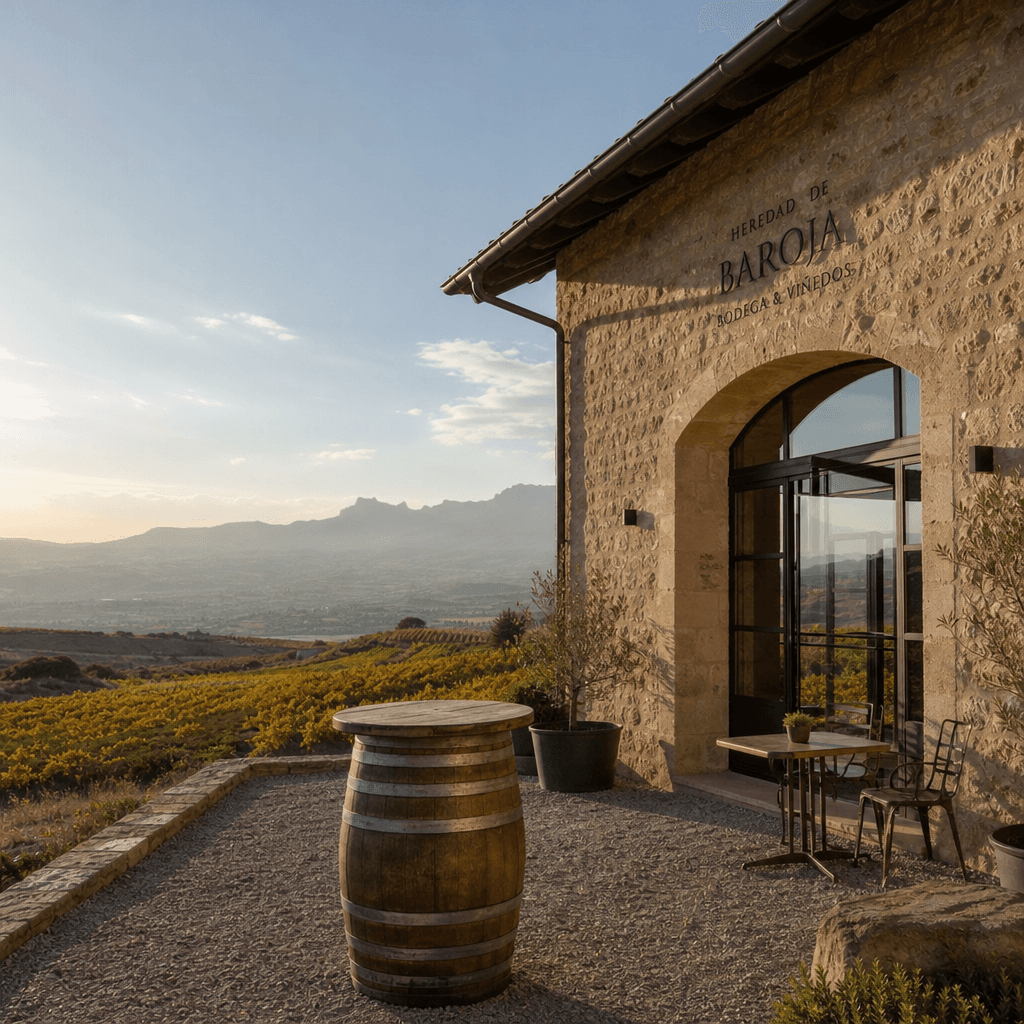
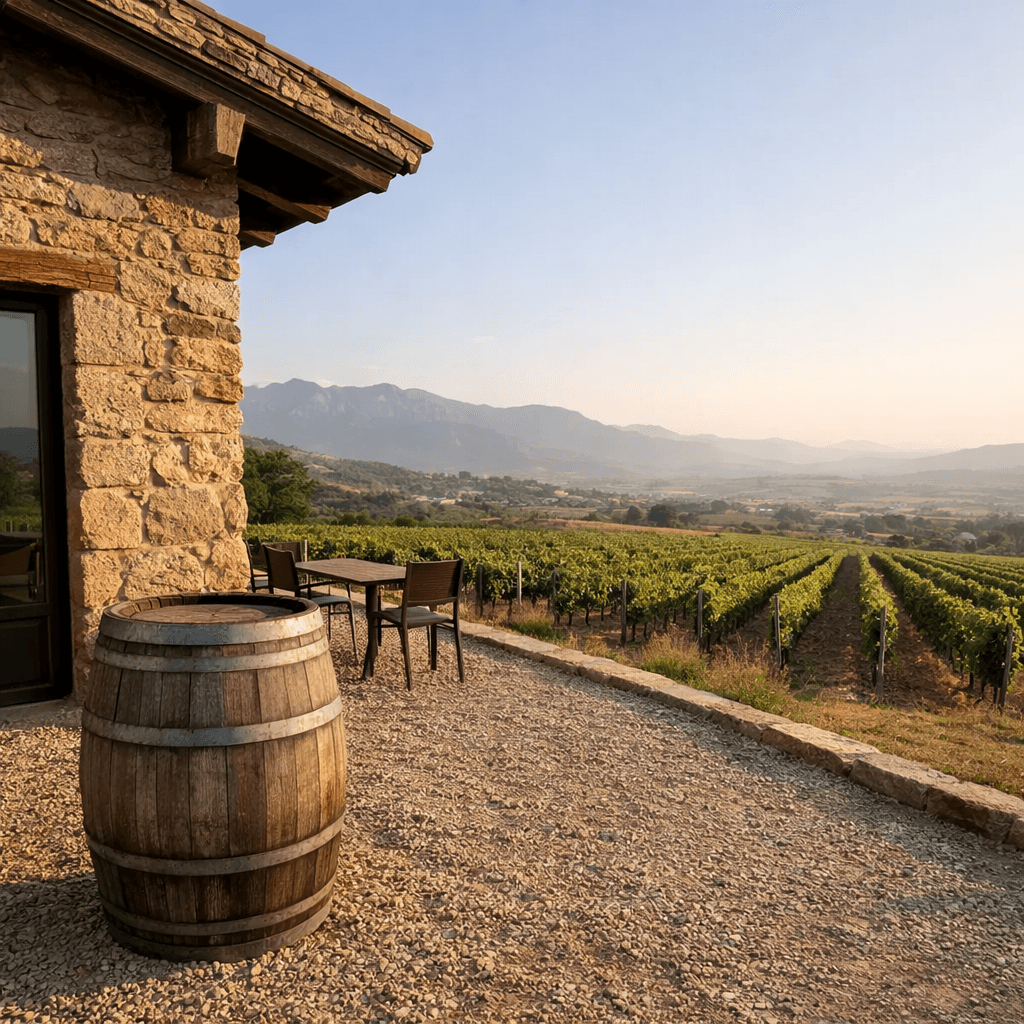
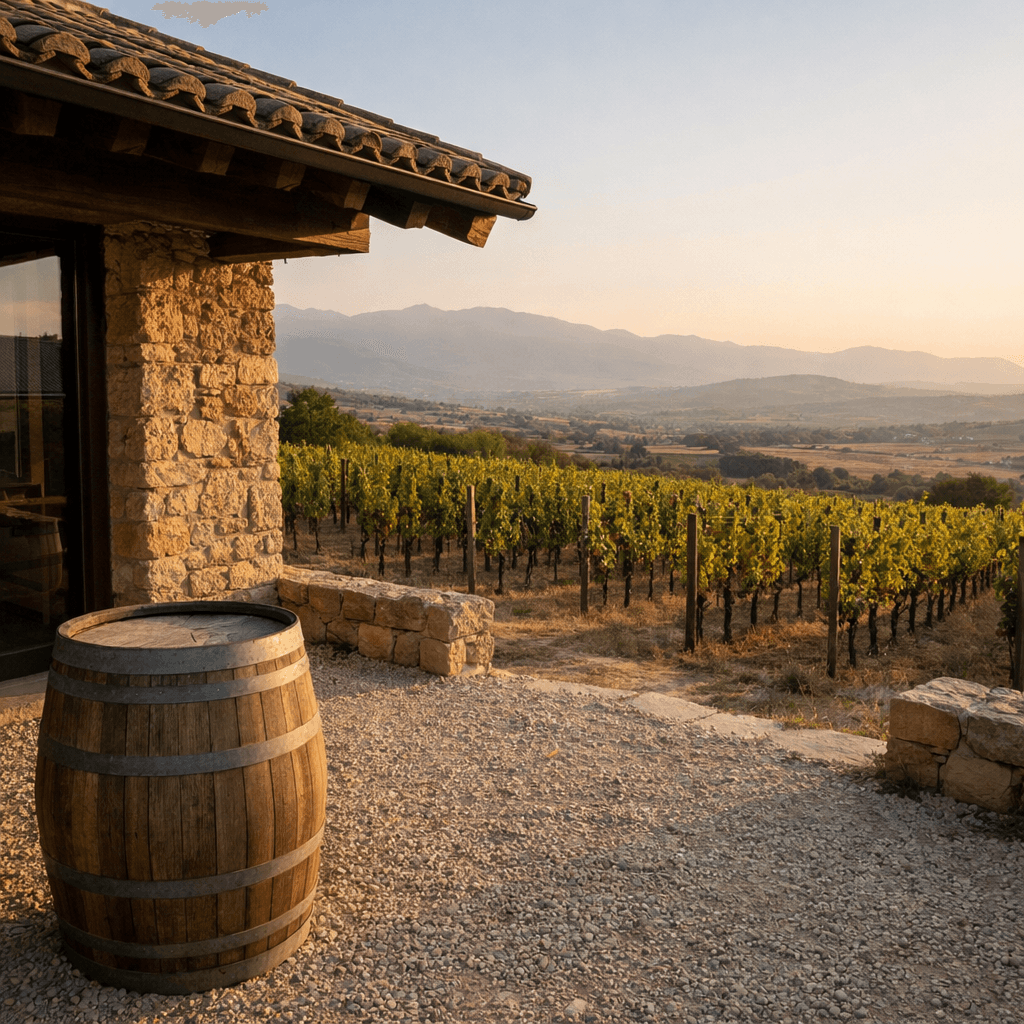
Two natural bases for wine tourism: Logroño (the capital, the legendary Calle Laurel tapas street, more hotels) and Haro (smaller, but the Barrio de la Estación packs seven historic wineries into 500 meters — one of the strangest density anomalies in the wine world). September and October are peak months — harvest, best light, vines turning color — but also the busiest. May still gets you green countryside and less harried winery staff. Don't believe the "cool northern Spain" line in August: it gets hot.
- Cities
- 6
- Wineries
- 12