D.O. Jerez-Xérès-Sherry
Sherry
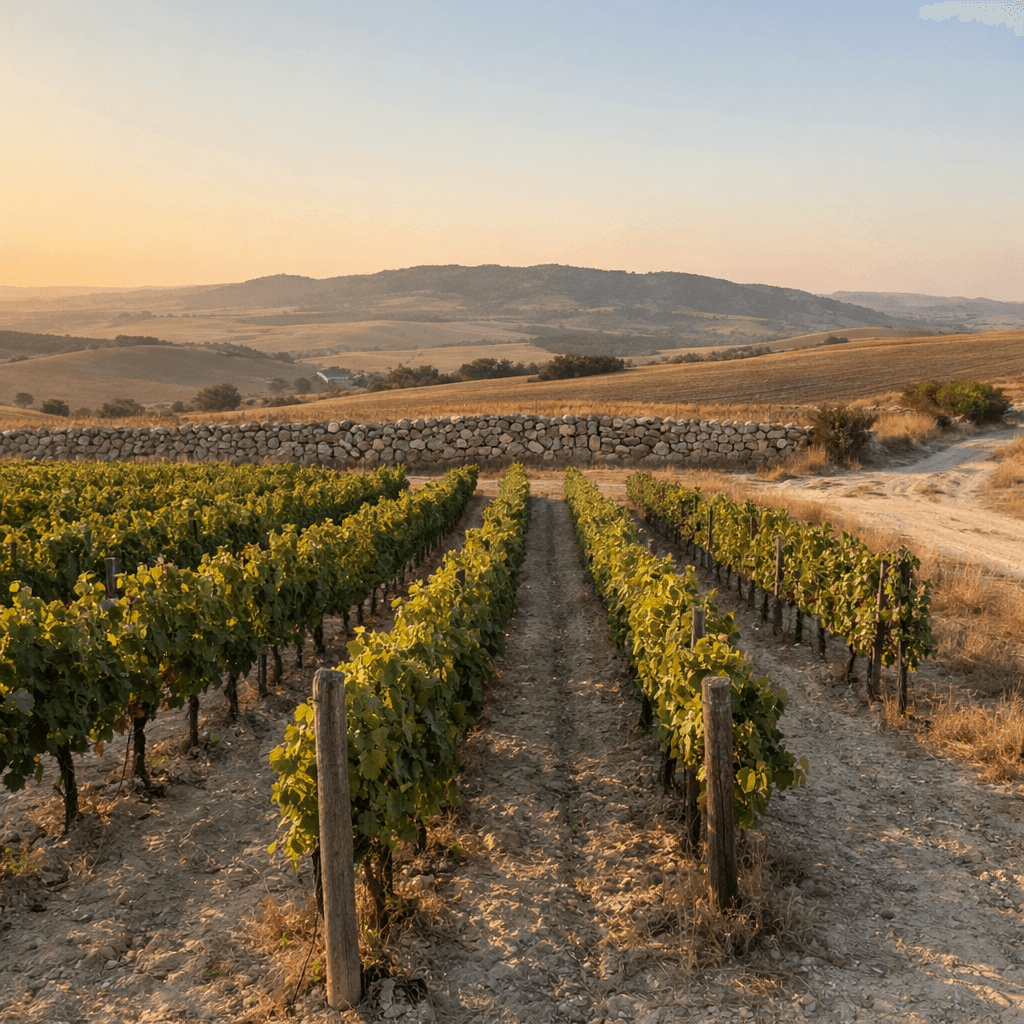
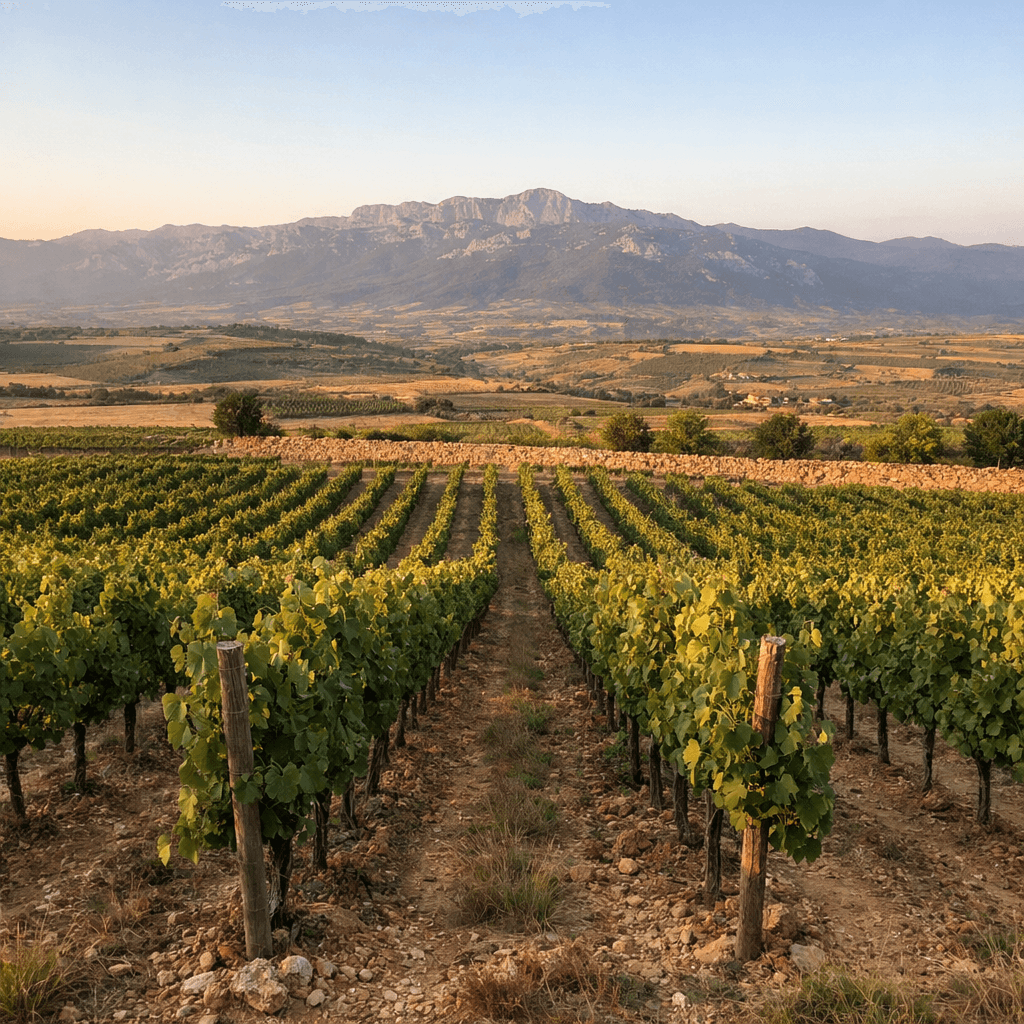
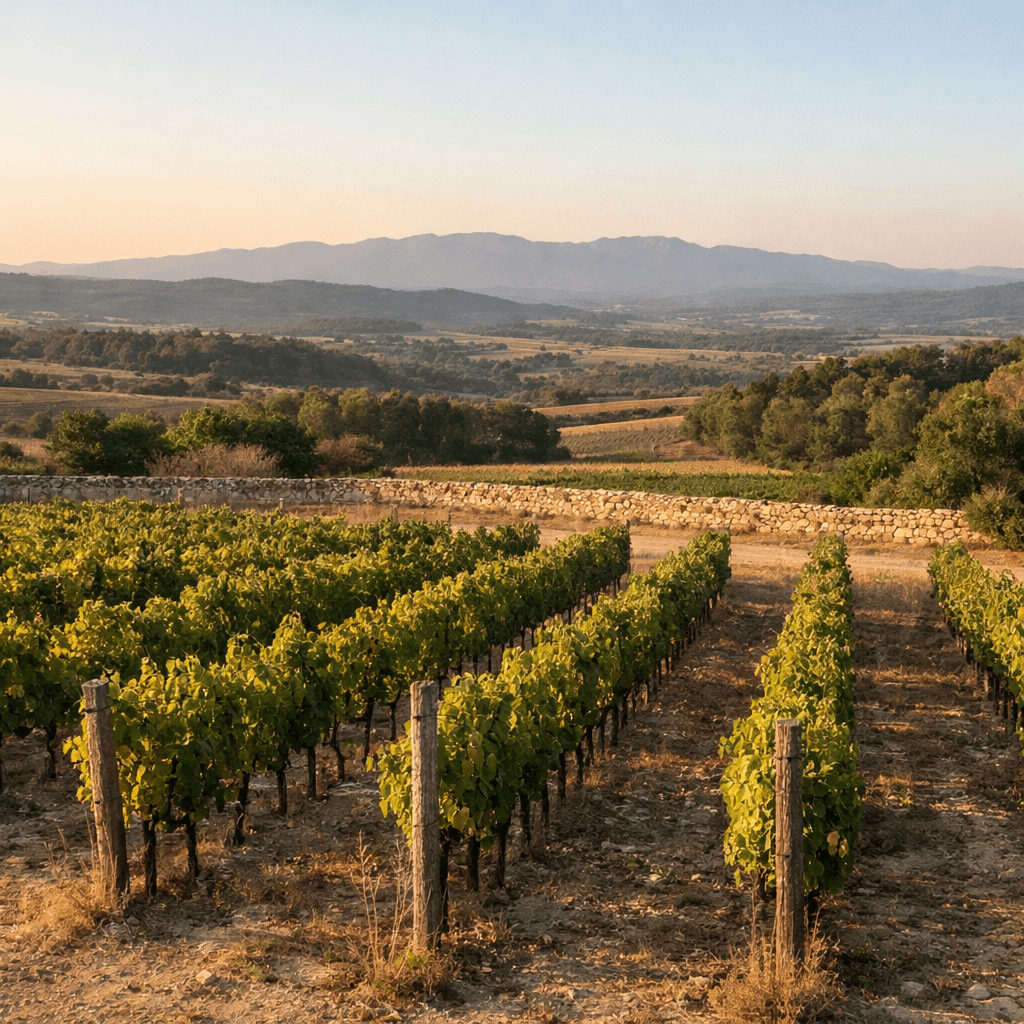
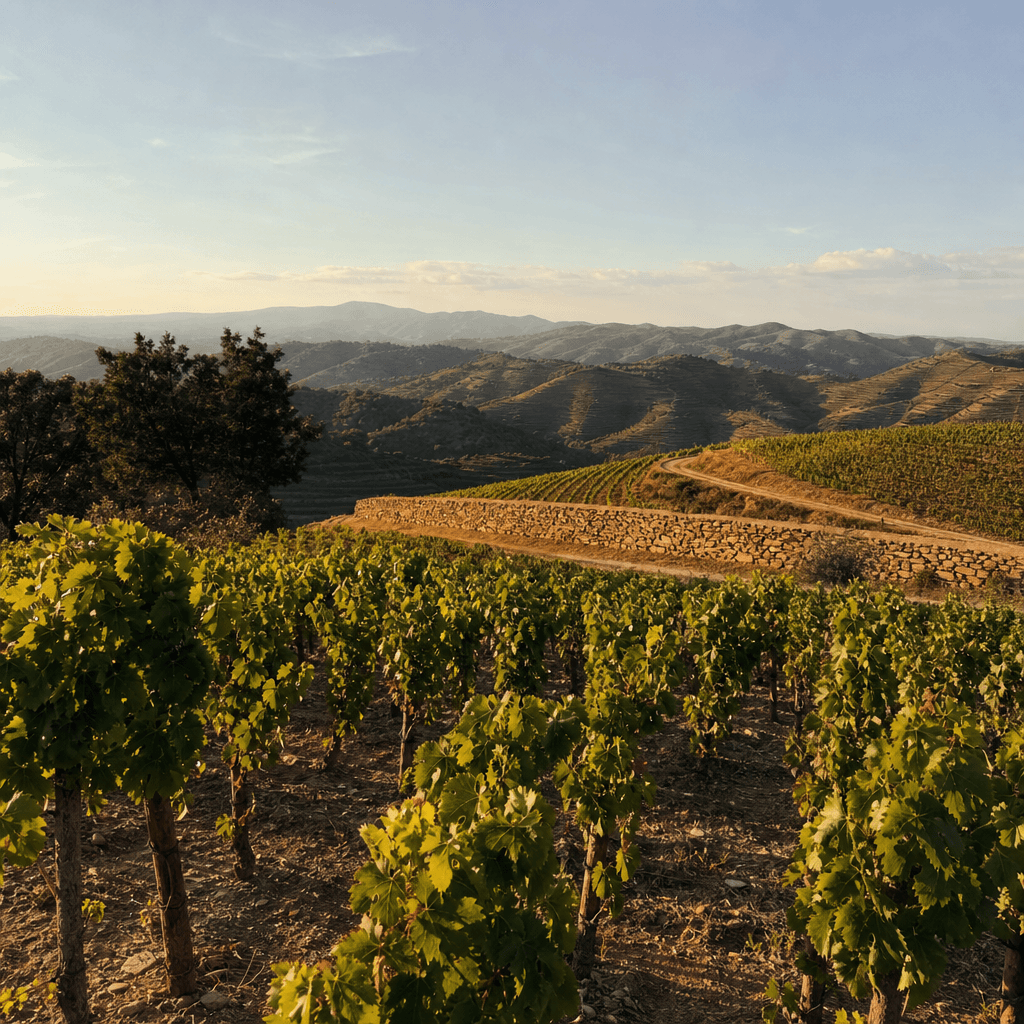
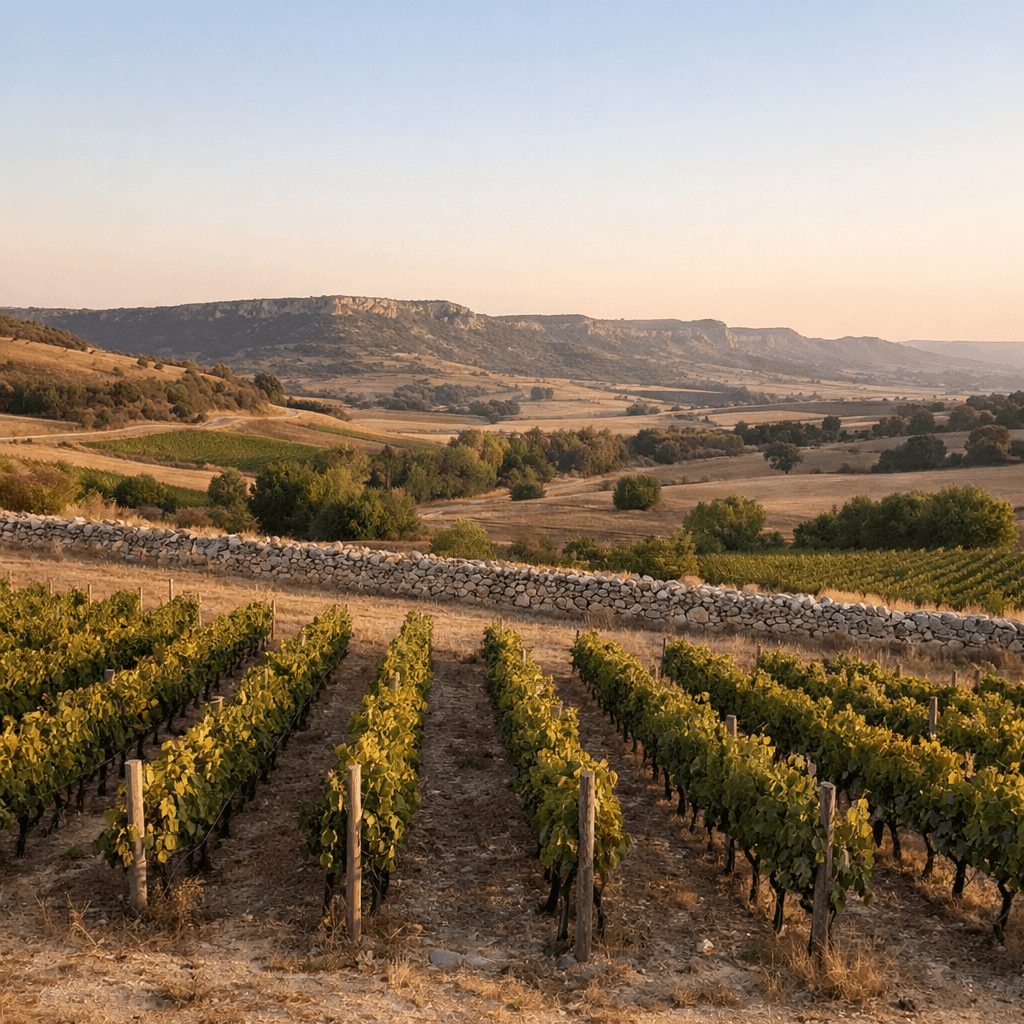
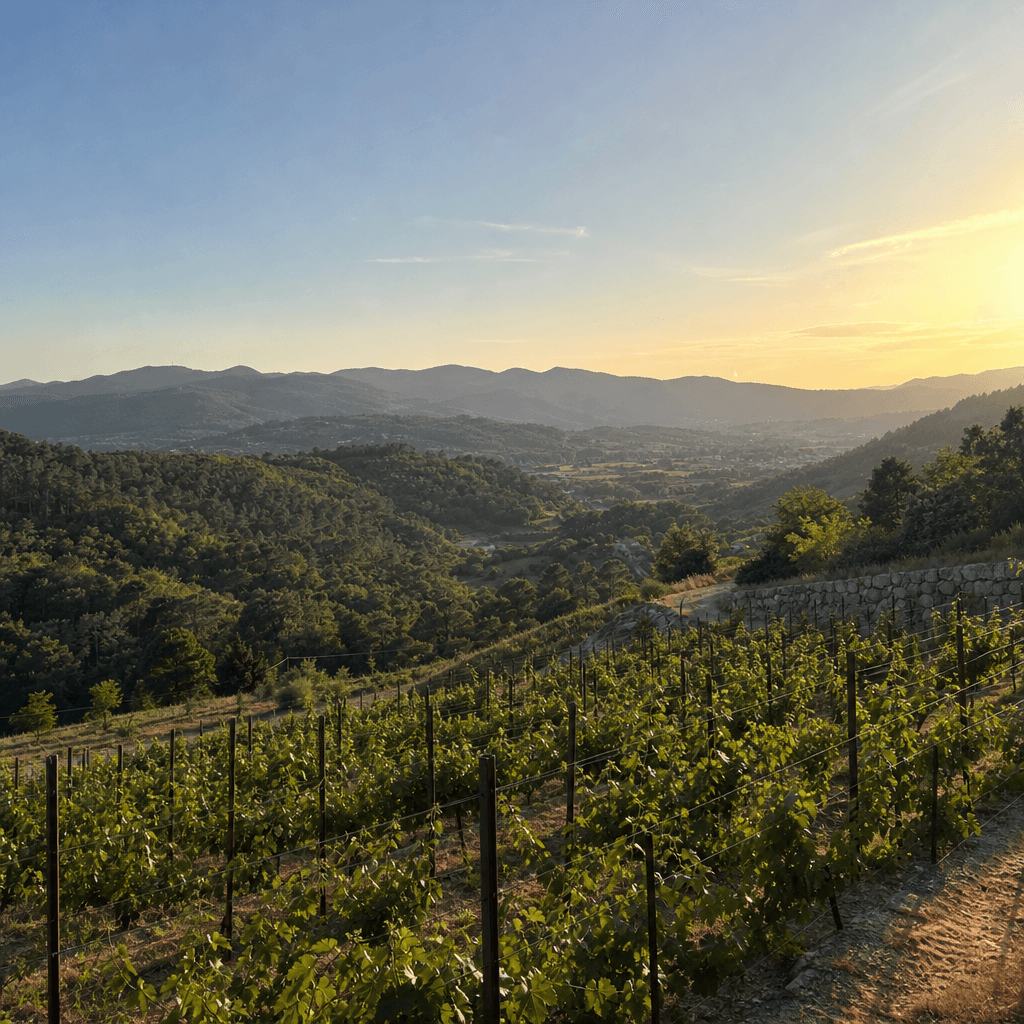
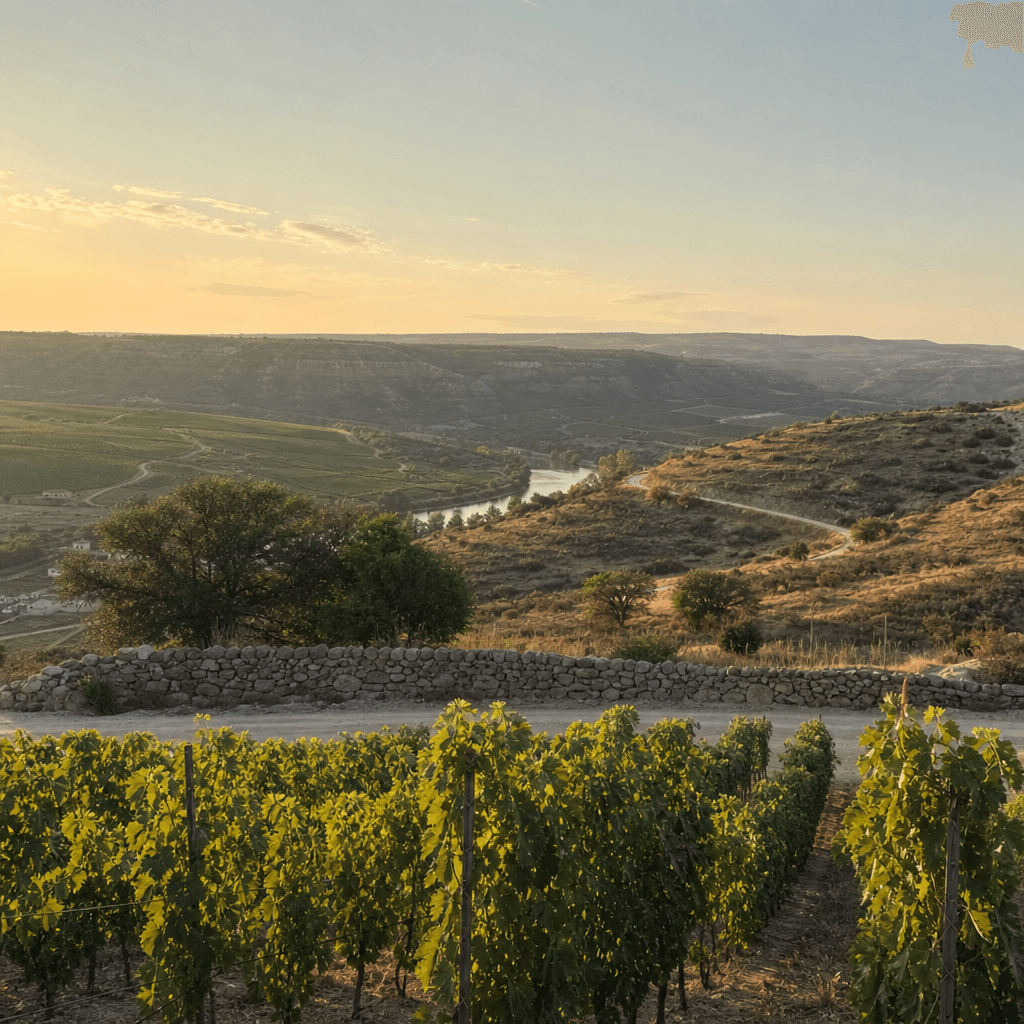
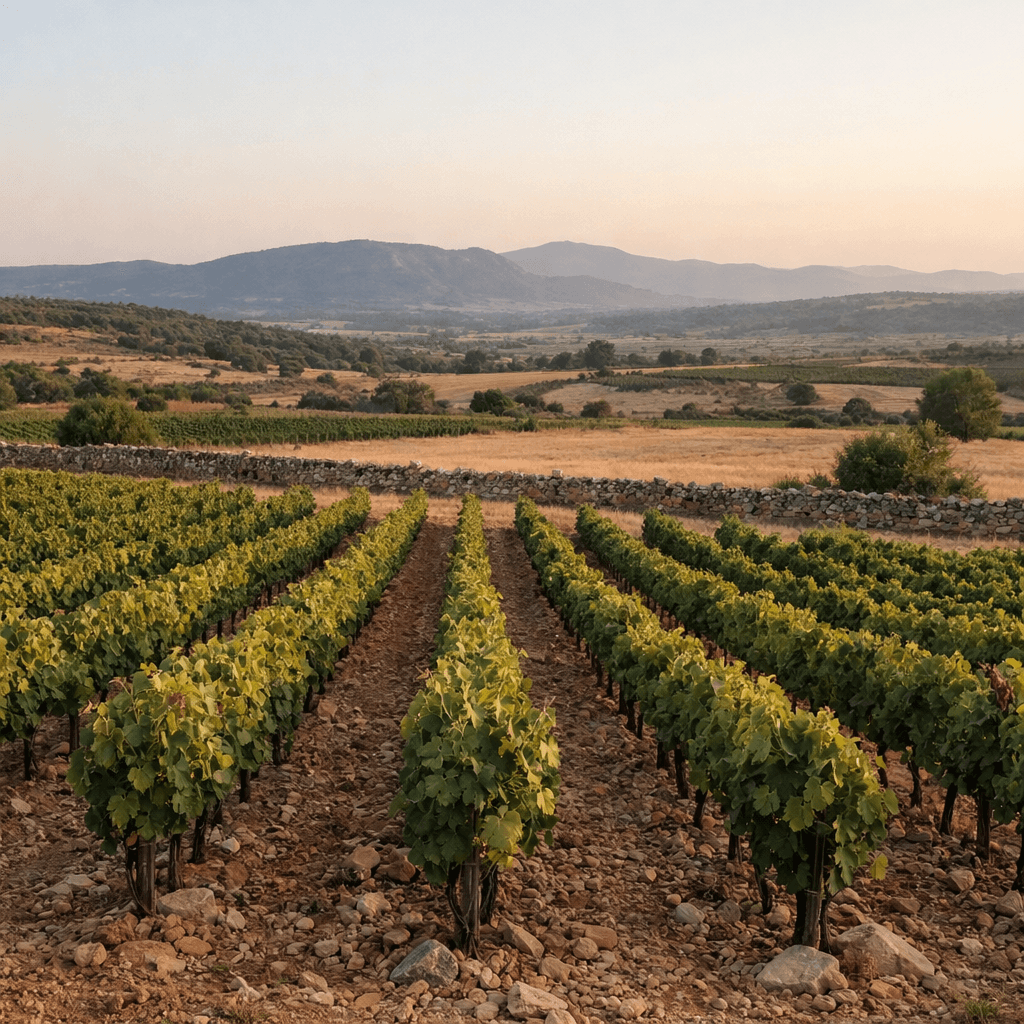
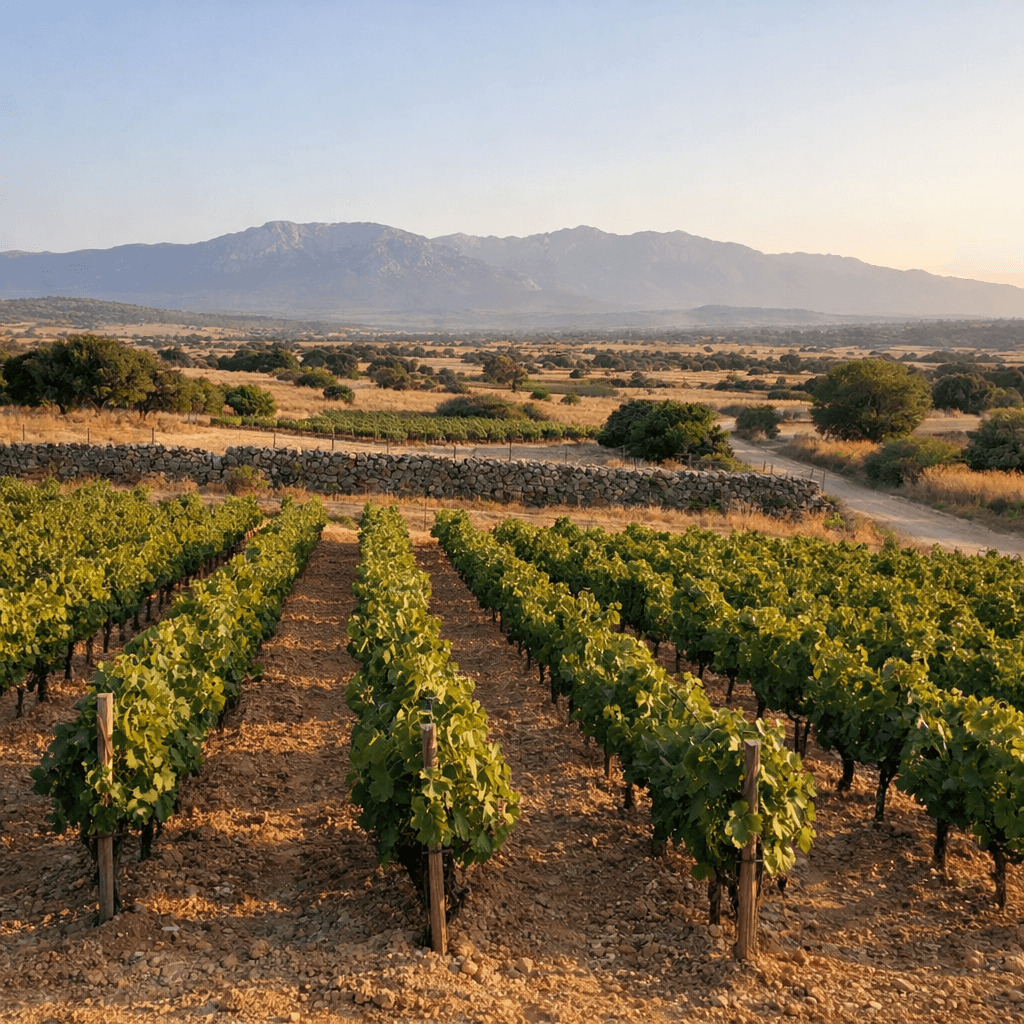
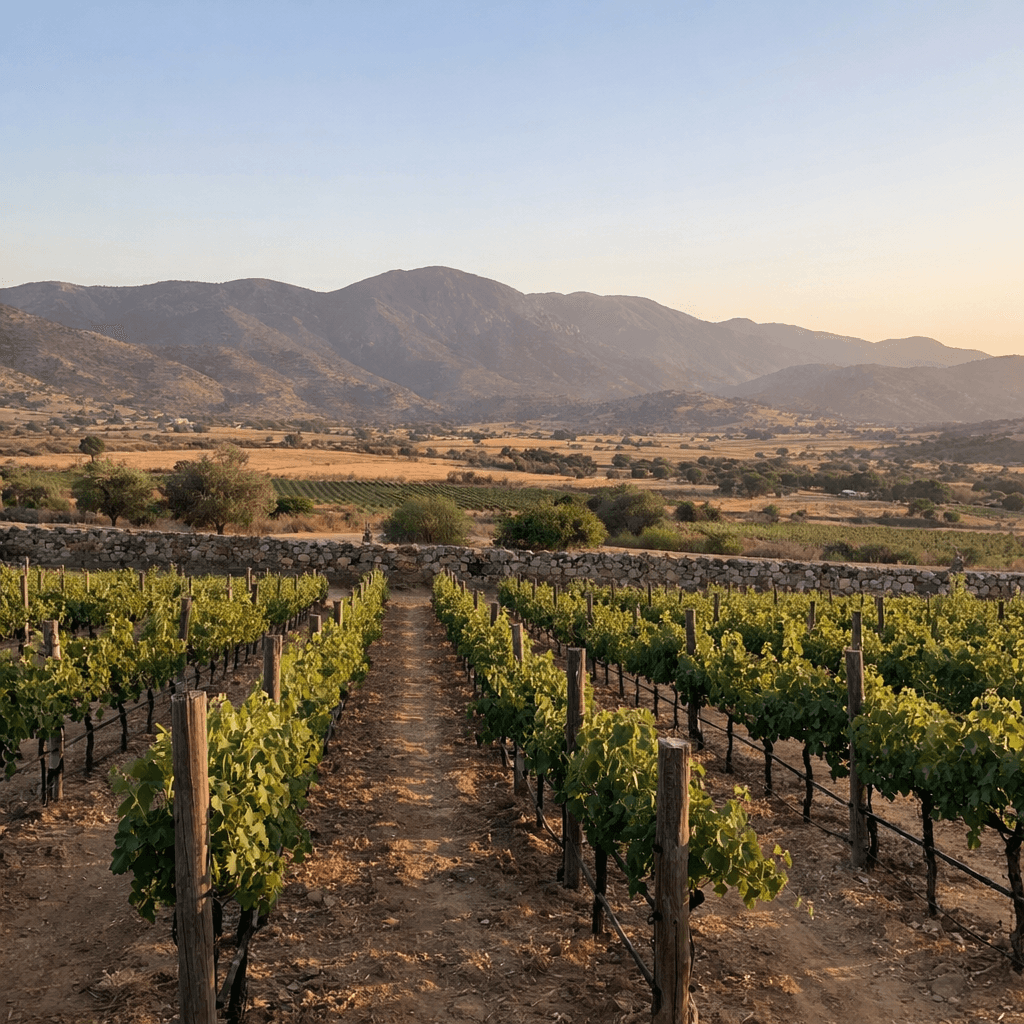
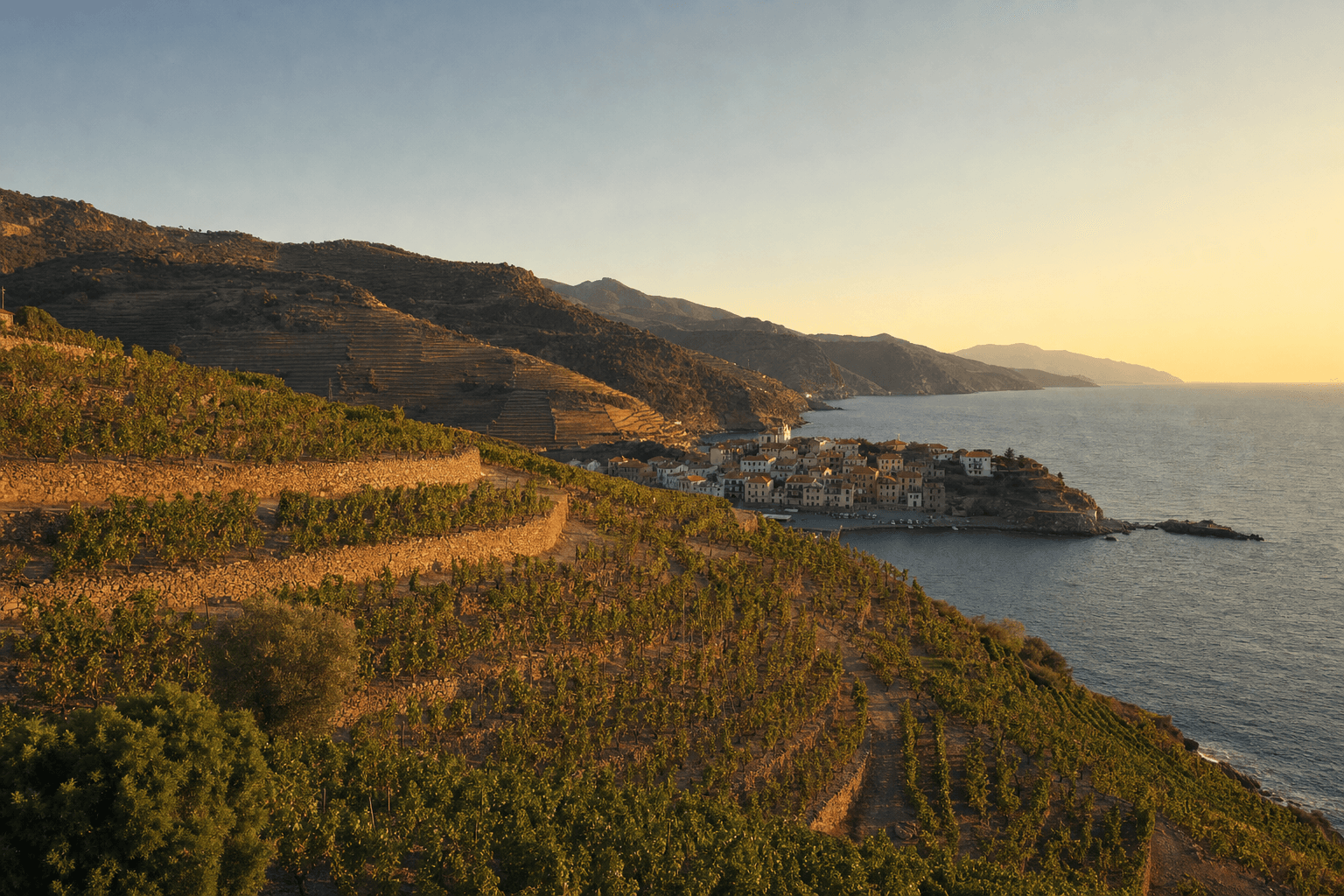
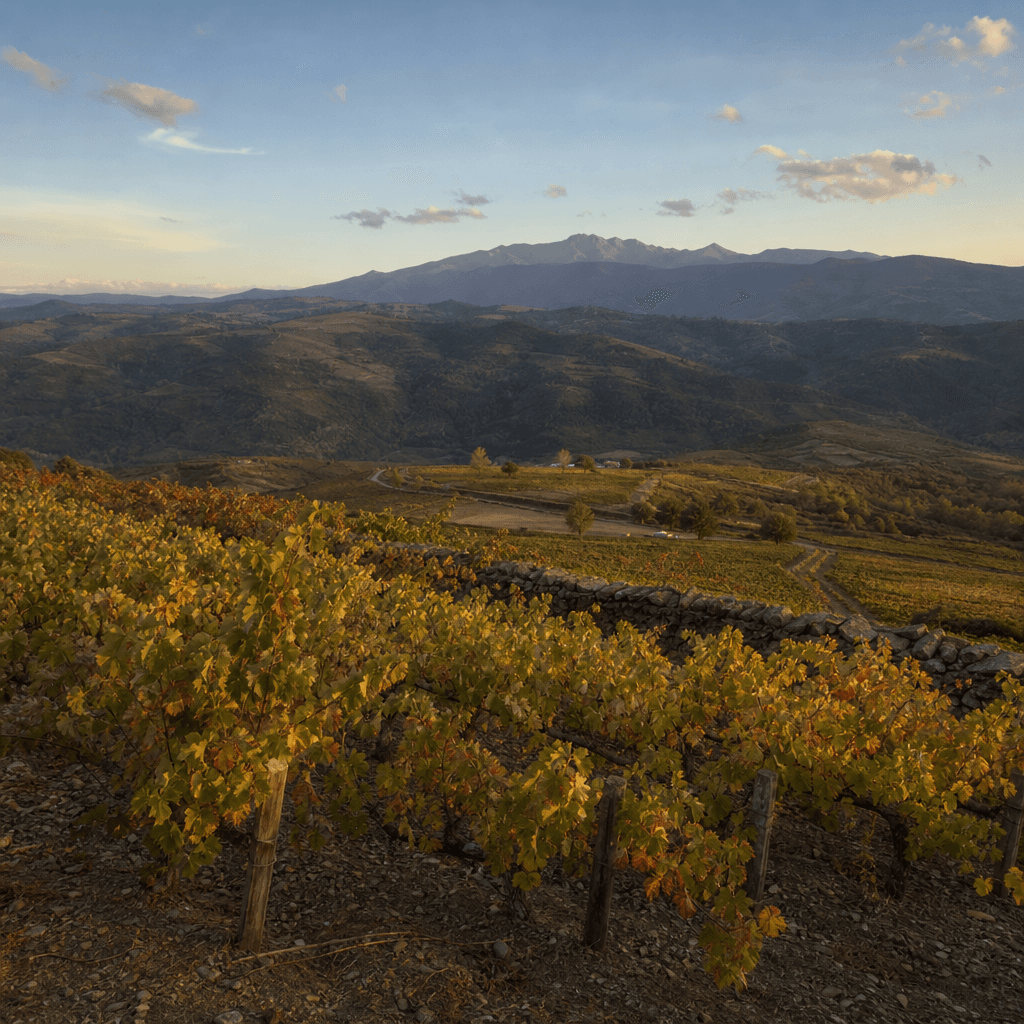
The Marco de Jerez took its time with me, I'll say upfront. For years I thought sherry was what my dad poured before Sunday paella, and not much else. It took a morning at Tabanco San Pablo, with Sonia (the sommelier, whose humor at eleven in the morning is much appreciated) lining up five glasses for me, to understand what this was actually about. The Marco isn't just another wine region: it's the oldest D.O. in Spain (1933) and makes a kind of wine you can't find anywhere else on earth. Geographically, the Marco is a triangle: Jerez de la Frontera, El Puerto de Santa María and Sanlúcar de Barrameda. All three cities sit on the same albariza soil (white limestone that holds moisture like a sponge) under Atlantic weather — which is what makes biological aging under flor (that layer of yeast that forms on top of the wine in barrel) even possible. No reds here. Only fortified whites: Fino, Manzanilla (Sanlúcar only), Amontillado, Oloroso, Palo Cortado, Pedro Ximénez, Moscatel. Palomino Fino dominates, over 95% of plantings. Pedro Ximénez and Moscatel are reserved for sweet wines. The criaderas-y-soleras system — stacked barrel rows where younger wine feeds older — defines the region and means every glass is technically a blend of many vintages. No vintage on a sherry label (except specific declared ones). Just solera age. The bodegas are cavernous cathedrals of oak with high ceilings to keep temperature stable. Sherry visits are some of Spain's best-developed: well-staffed, with flamenco shows, restaurants, technical tastings. September has the Fiesta de la Vendimia. May has the Feria del Caballo. Any time works though — Atlantic weather keeps Jerez cool even in August. Sanlúcar adds beach to the plan: Manzanilla matures next to the sea, and the local prawns are famous for a reason. Don't leave without trying almadraba tuna if you hit May-June.
Ver guía completa →